Rapid actualization of AI crisis response training
AI Simulations
Prototyping
UX / UI
Design System
Role
Lead Product Designer
Collaborators
Product Managers
Founders
Engineering
Responsibilities
Research
Wireframing & prototyping
UX & UI
Visual design
Design system
Context
ReflexAI leverages conversational AI to simulate and automatically score realistic role plays to help crisis organizations scale and improve crisis training in a cost-effective way.
Challenge
Under pressure to get their products off the ground and ready for launch, I was brought in not only as a tactical resource, but also as a strategic partner to rapidly address a growing list of critical product areas in need of exploration. My work would ultimately help ReflexAI make informed decisions about what to build and why without losing momentum in production.
Impact
ReflexAI went on to successfully partner with major health organizations who continue to experience significantly improved outcomes such as:
85%
of crisis center leaders report significantly boosted responder confidence and preparedness
90%
of responders feel better equipped to handle high-stress calls
Discovery
The team knew their existing demo had gaps but didn't know how to find them, so I quickly synthesized available research to confidently identify areas in need of work.
From existing SME interview data and the current demo, I created a journey maps, models, an experience audit, and system map to establish a baseline for the real world crisis training experience and understand where the current demo build falls short both functionally and in user needs unique to the training experience.
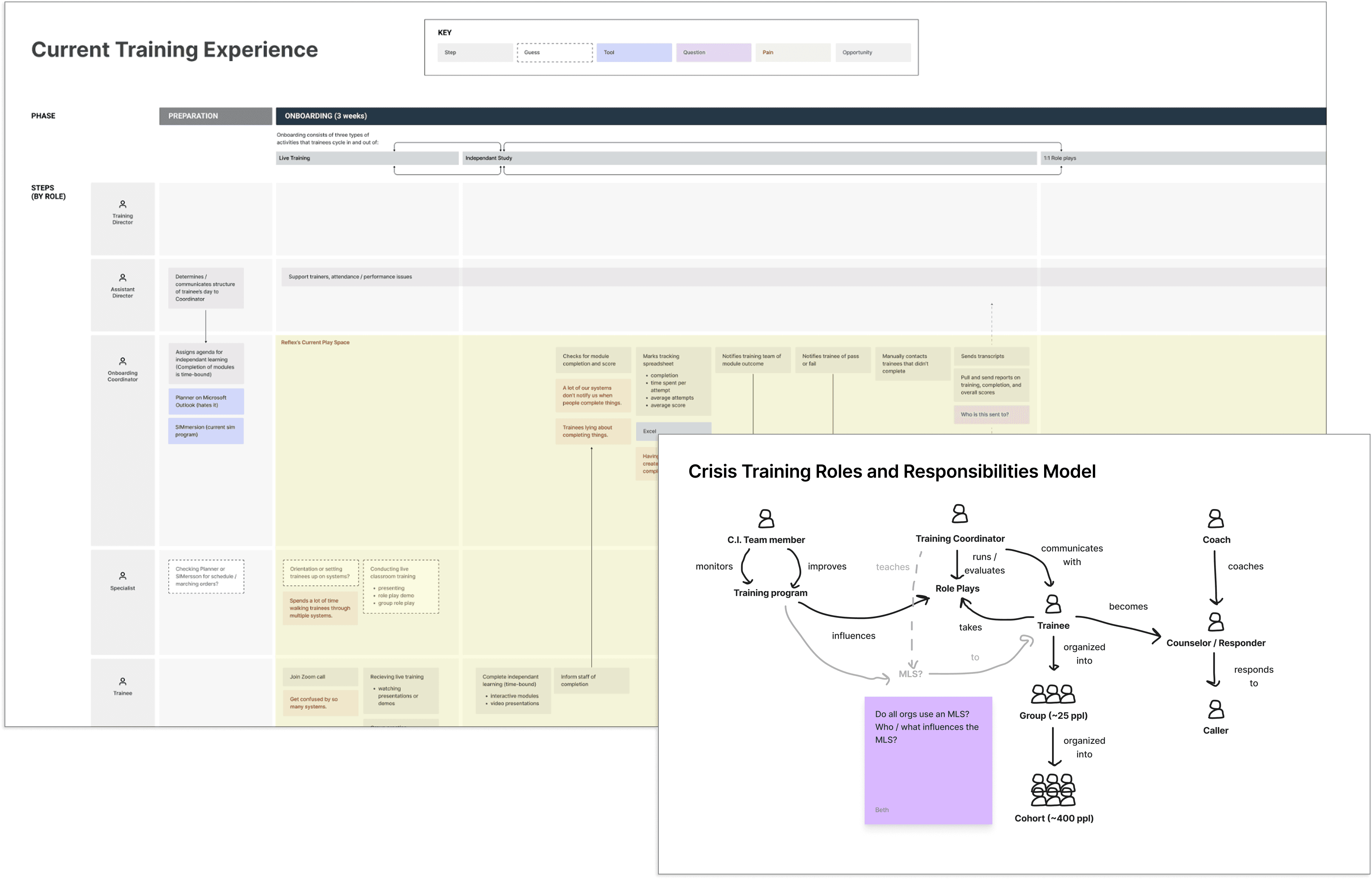
Journey map & organizational model
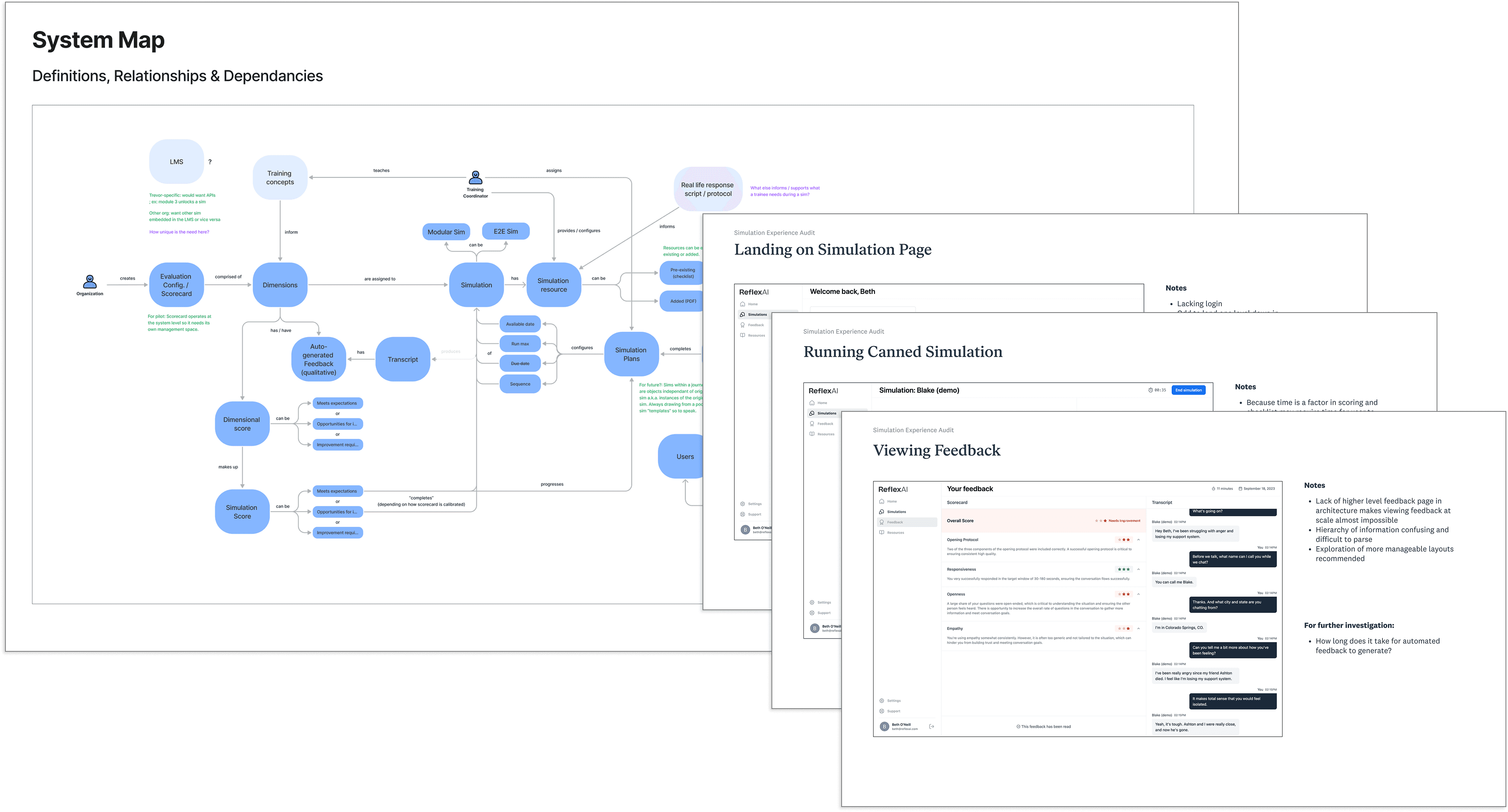
System map & demo audit
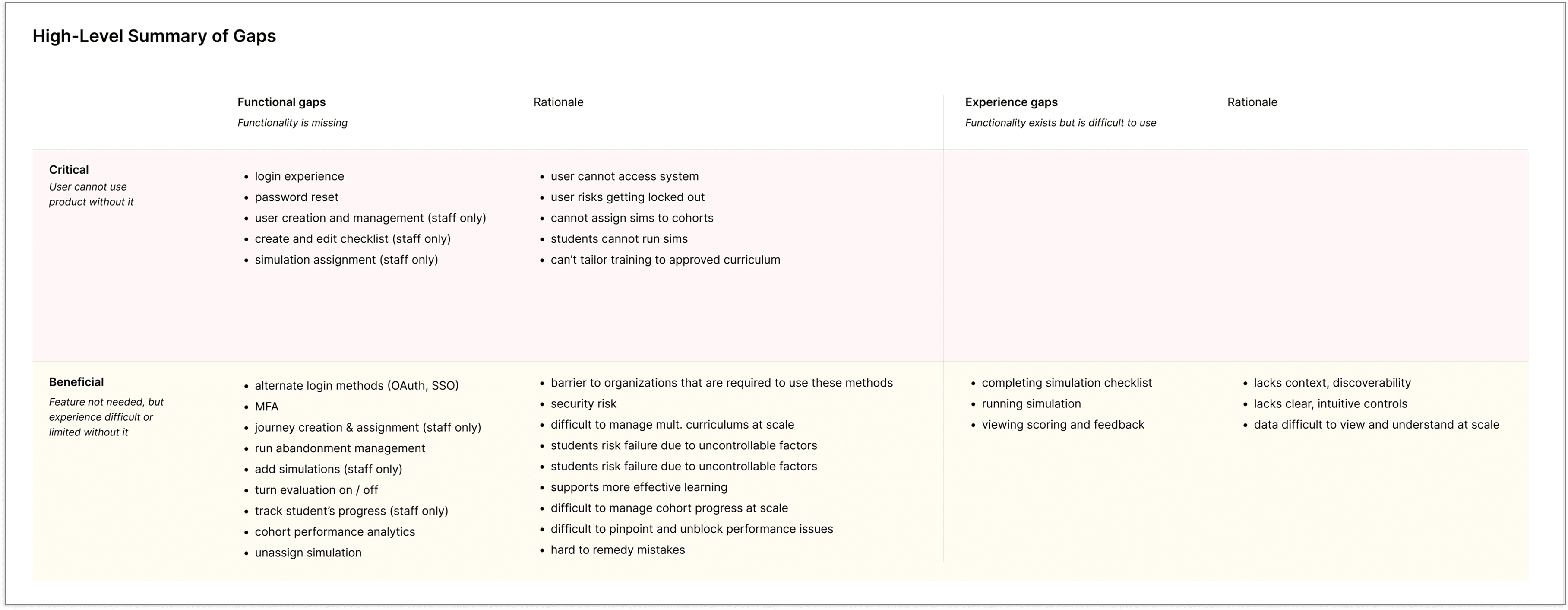
Summary of gaps
All of this culminated in the creation of a prioritized feature roadmap that took into account a fixed pilot launch date as well as how to keep the engineering team busy while stickier parts of design got sorted out. This served as a living tool throughout the project for discussion of priorities, tradeoffs, and technical constraints, and was updated over time as new information became available.
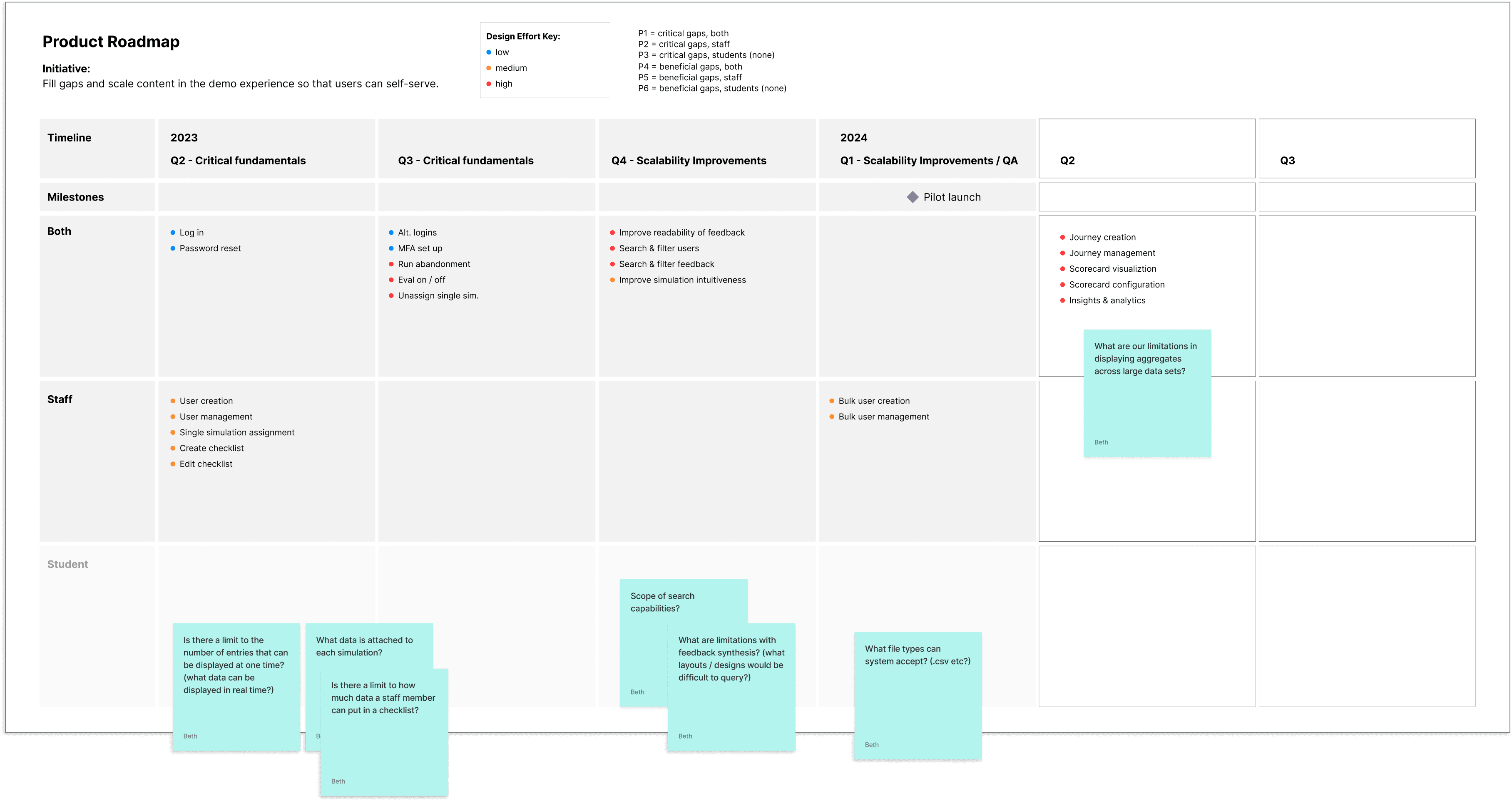
Roadmap with active discussion of tech constraints layered over top
Design
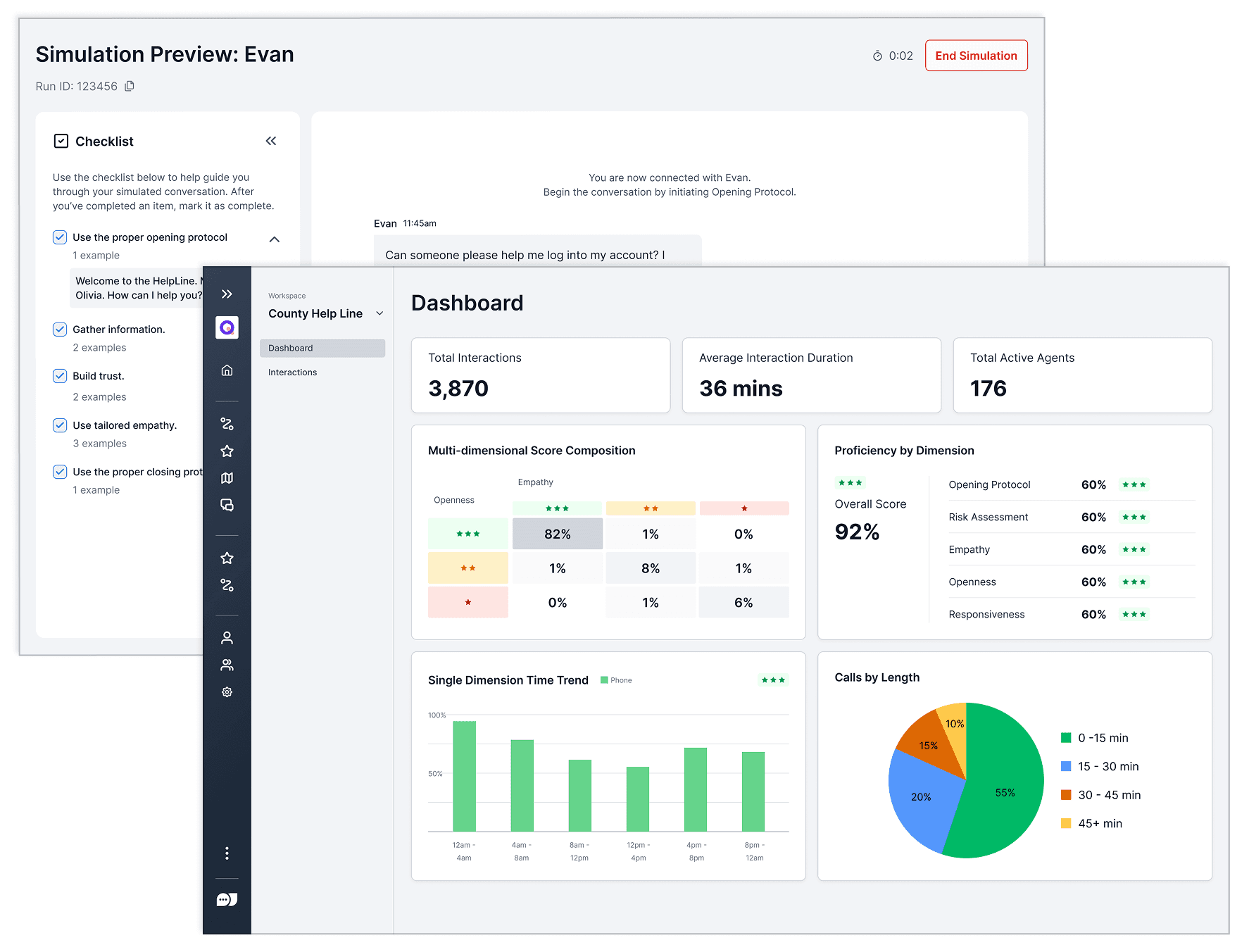
I leveraged a double-sided platform for our two primary users - training staff and their students - to address the top pains in a potentially triggering learning environment.
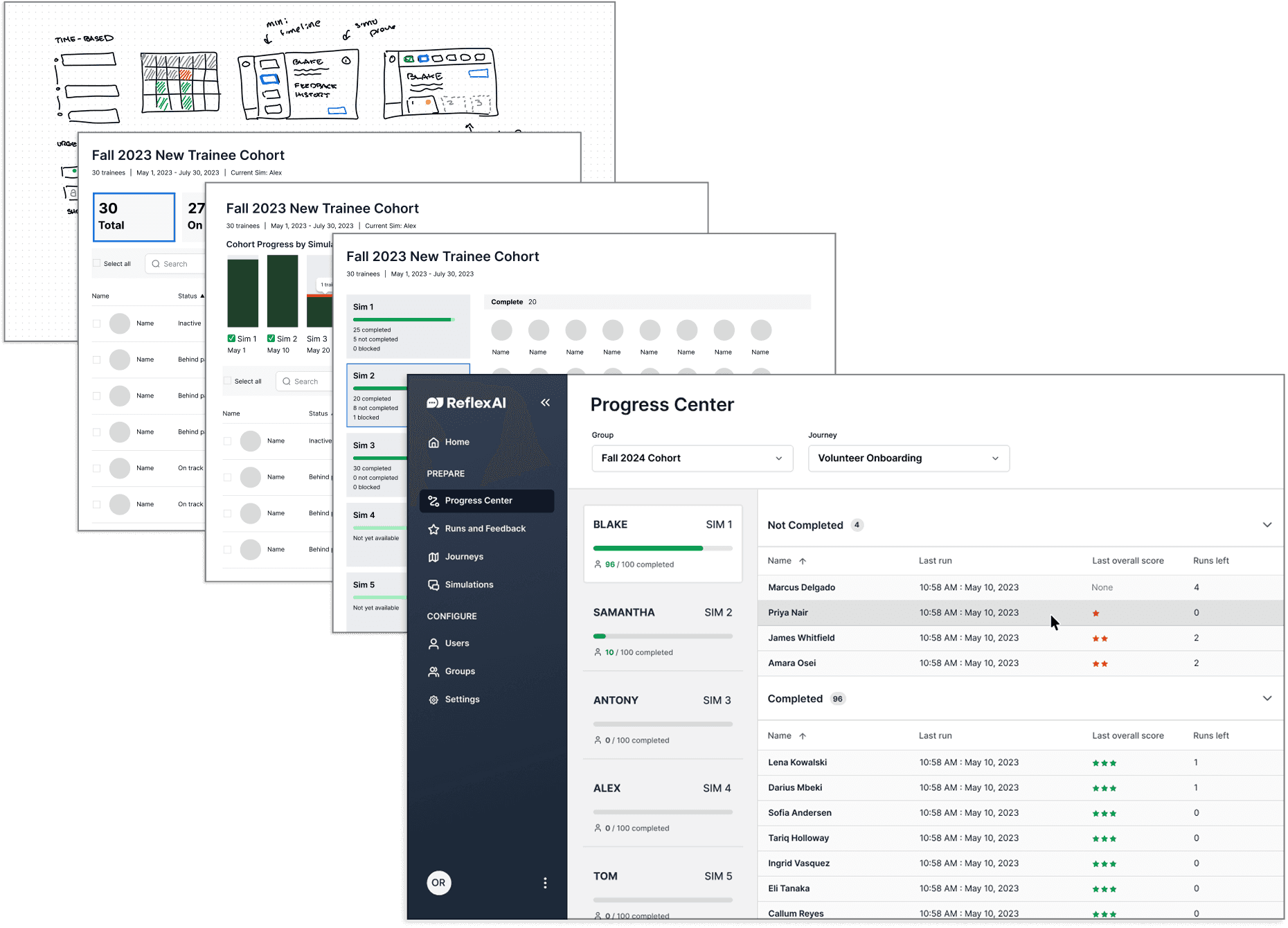
A — Staff struggled to understand cohort progress and success at scale, making it difficult to alleviate issues and improve curriculums.
I created a high-level performance overview page for teachers that made assessing progress and pinpointing struggling students quick and actionable.
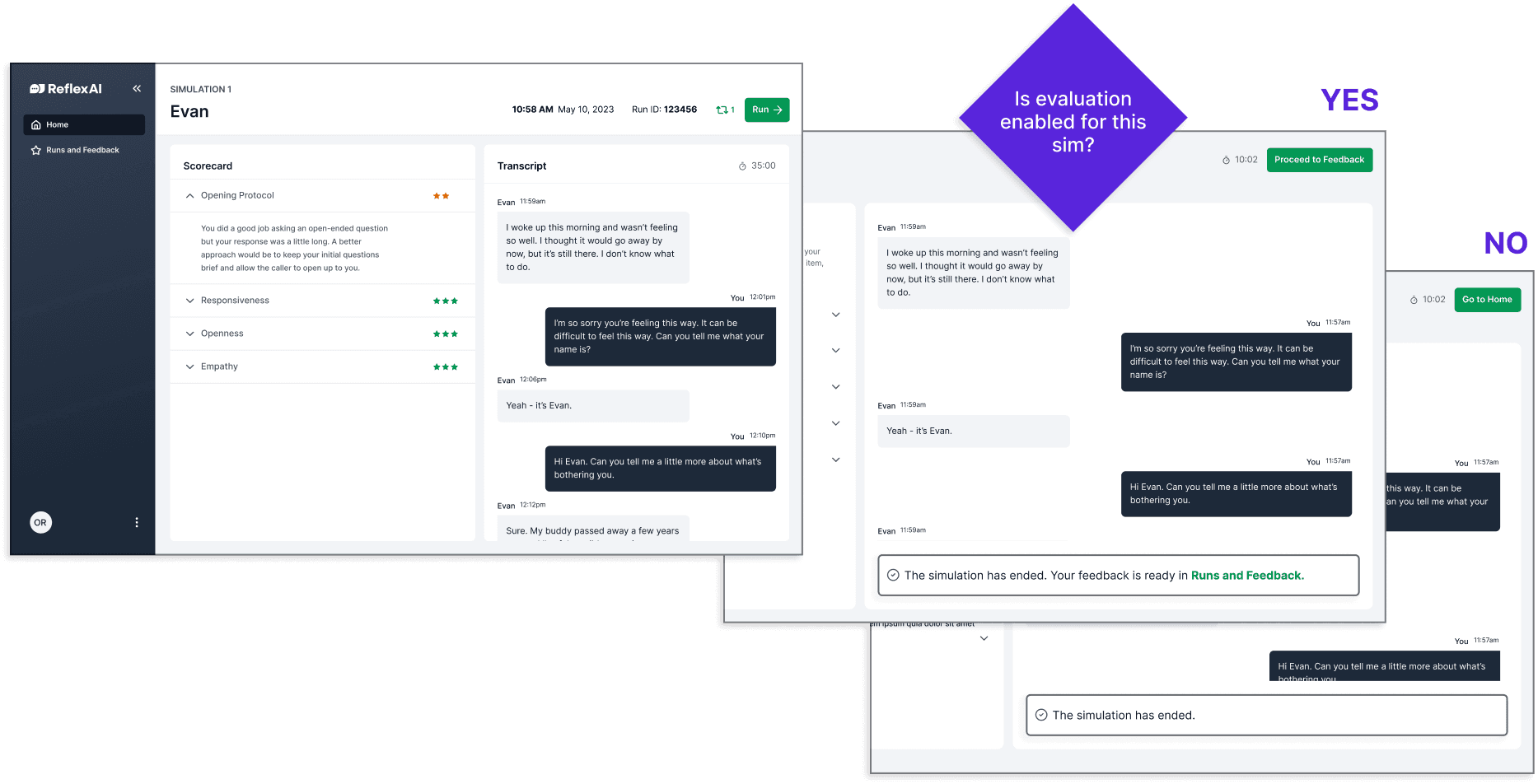
B — Students risk becoming de-motivated by negative feedback and are generally sensitive about their learning abilities.
To address this, staff could switch off the auto-feedback feature at their discretion. Careful attention to what information was shared on what side of the platform was also key - staff had visibility into cross-cohort performance, while students retained private access.
Additionally, actionable feedback was provided alongside the transcript so that the student could make improvements before their next run.
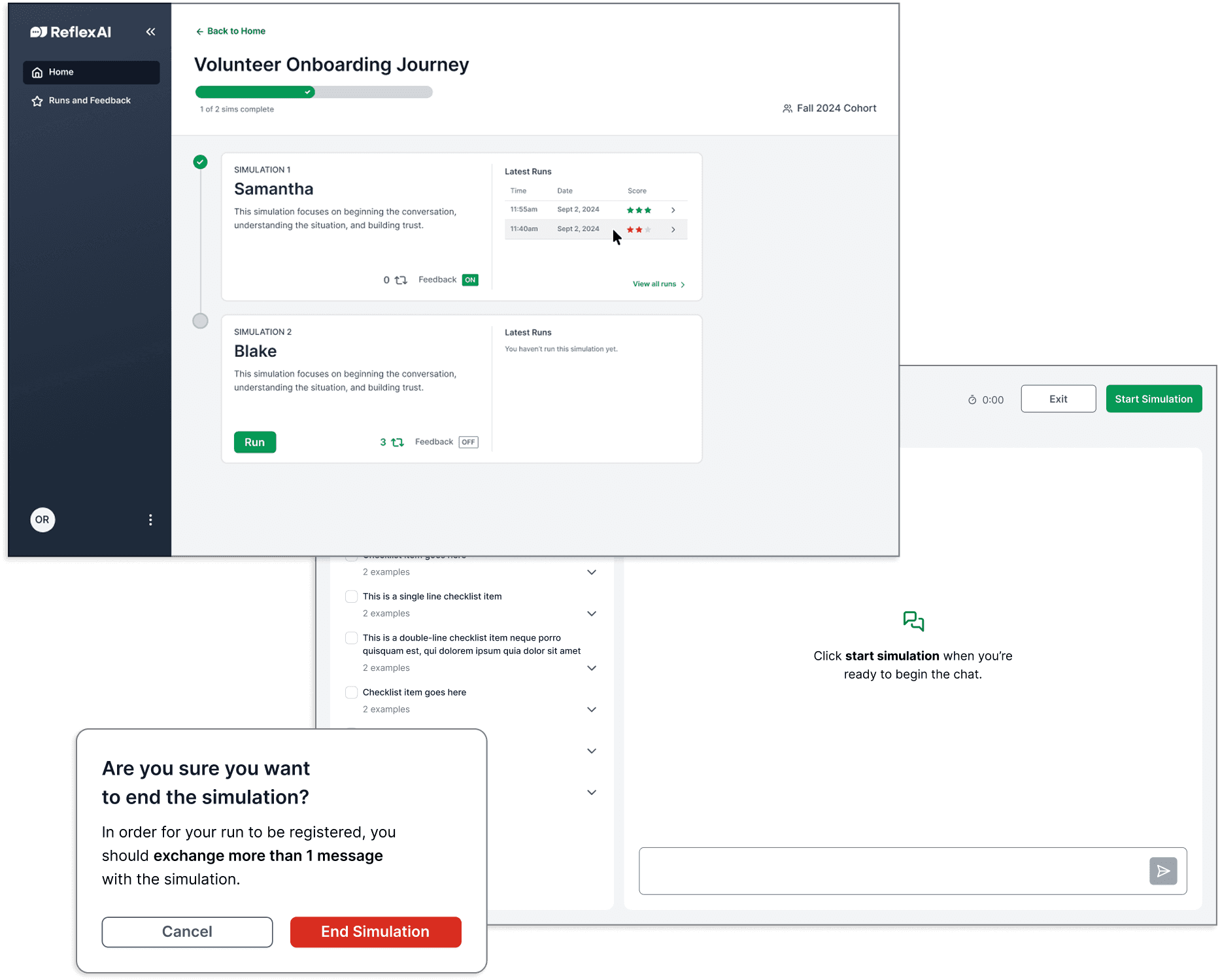
C — Simulations had run limits, both as a teaching mechanism and because they were expensive for the company to run. Users would need guidance on how to avoid needlessly running out.
Addressing this required allowing some leeway for human error, so I introduced more granular simulation controls to prevent false starts and defined for students what actions count towards a run at the appropriate moments.
With the engineering team already on standby for work and promises made to partners, I had to build the plane while flying it.
Tight ideation cycles and alternating low effort design tasks with high effort ones kept development busy while making time to work on deeper issues.
With each cycle, zooming in and out of the big picture ensured solutions were supporting the overall system and users could move intuitively through the system.
Setting the designs to a story ensured builds were logical for users and no gaps went overlooked.
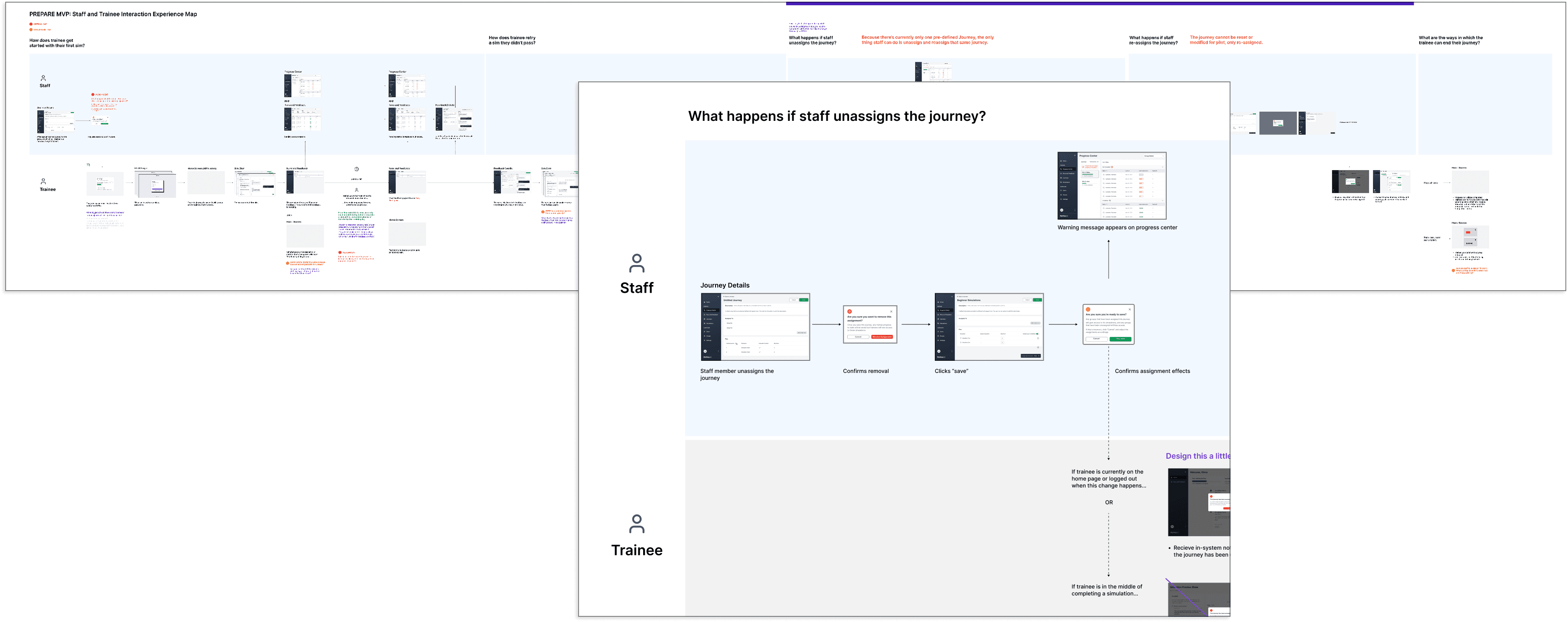
High-level view
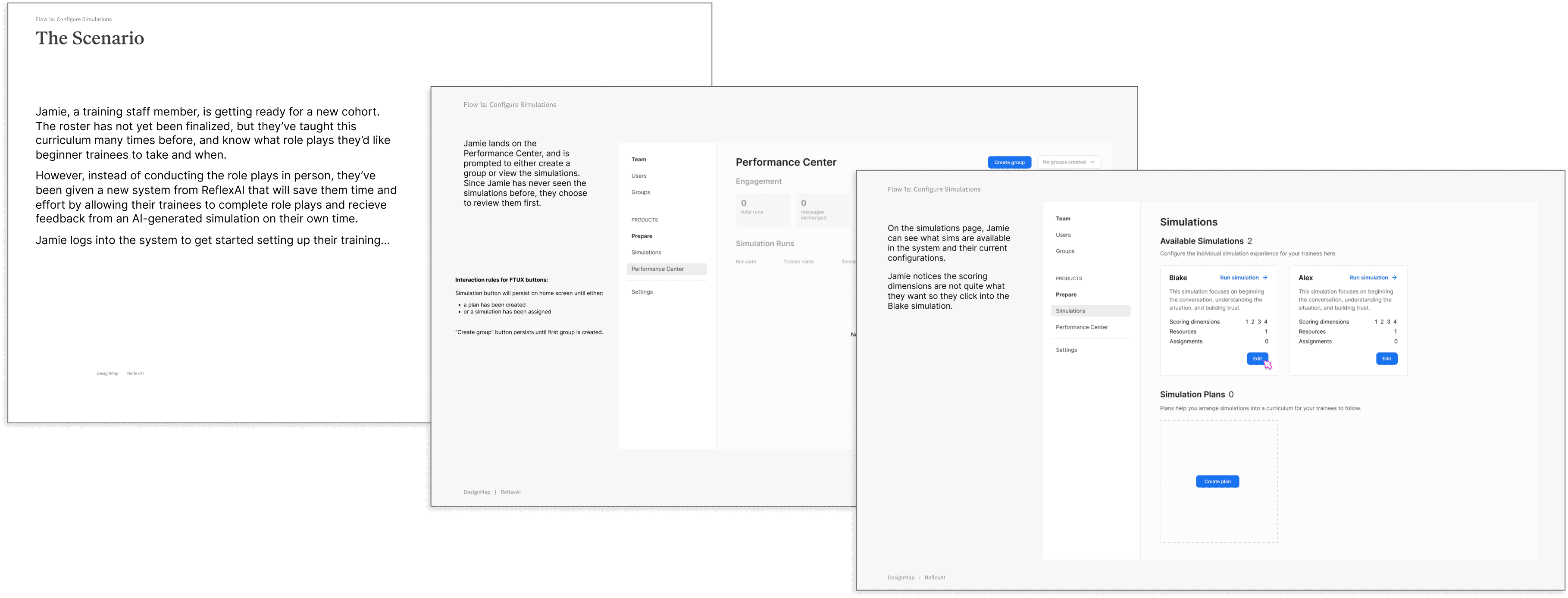
Wireframe concepts set to a narrative scenario
Execution
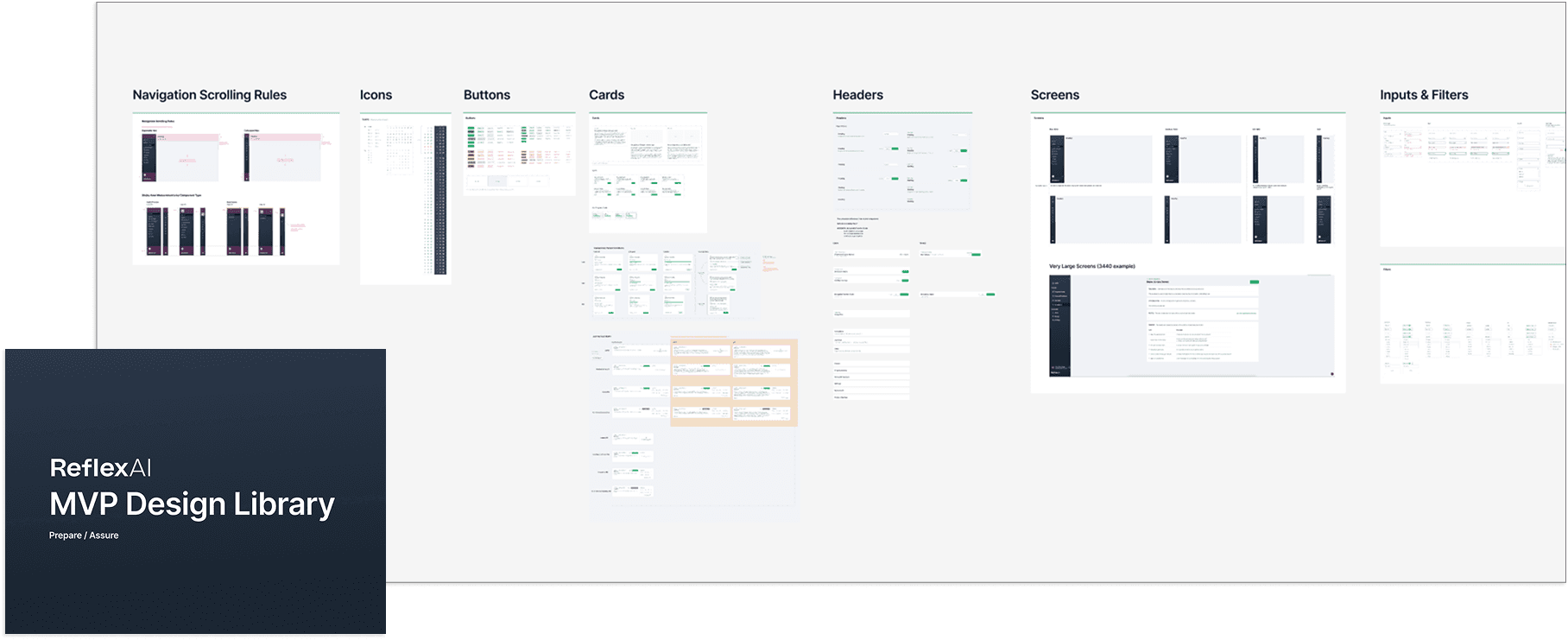
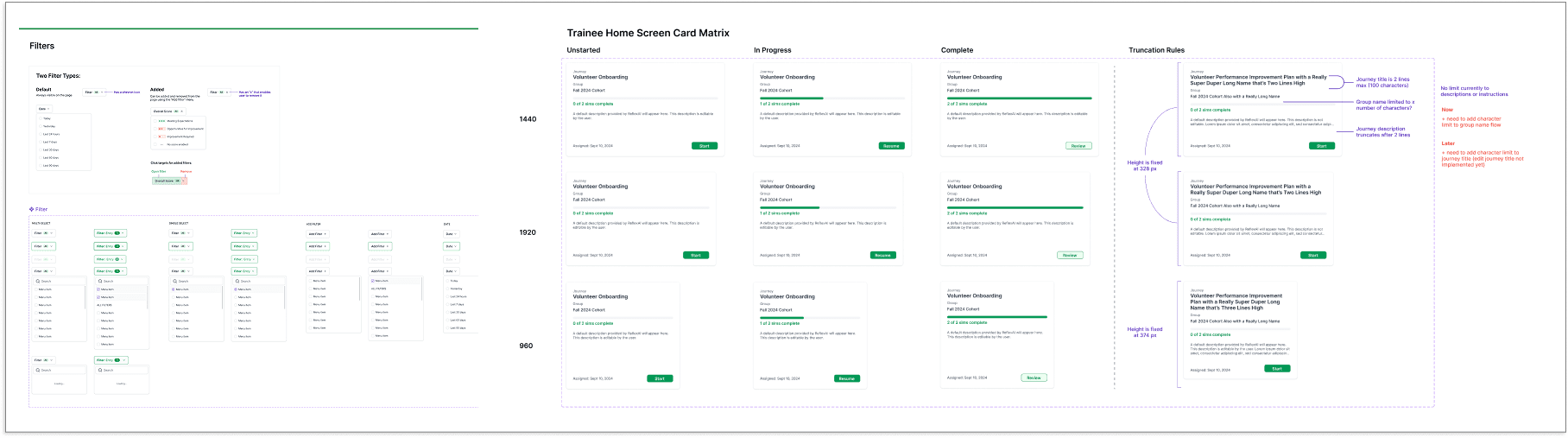
I provided organized and robust handoff packages for engineering that were validated through regular QA sessions.
I provided intuitive, clickable prototypes as well as annotated screens, giving careful though to truncation rules, scrolling, interactions, actionable error states, navigation, and accessibility. Component states and use cases were thoroughly documented in the design system.
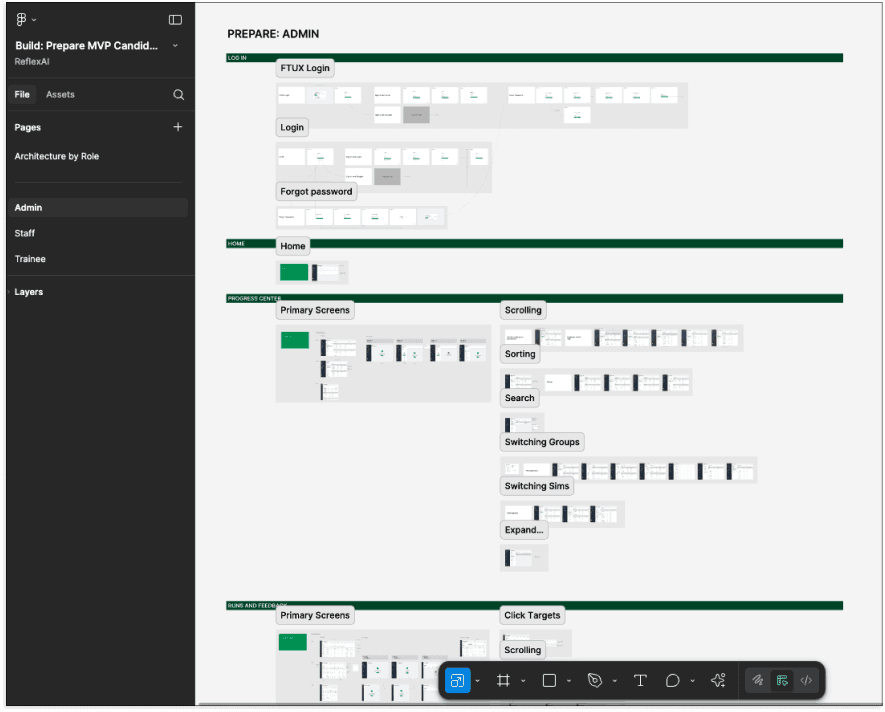
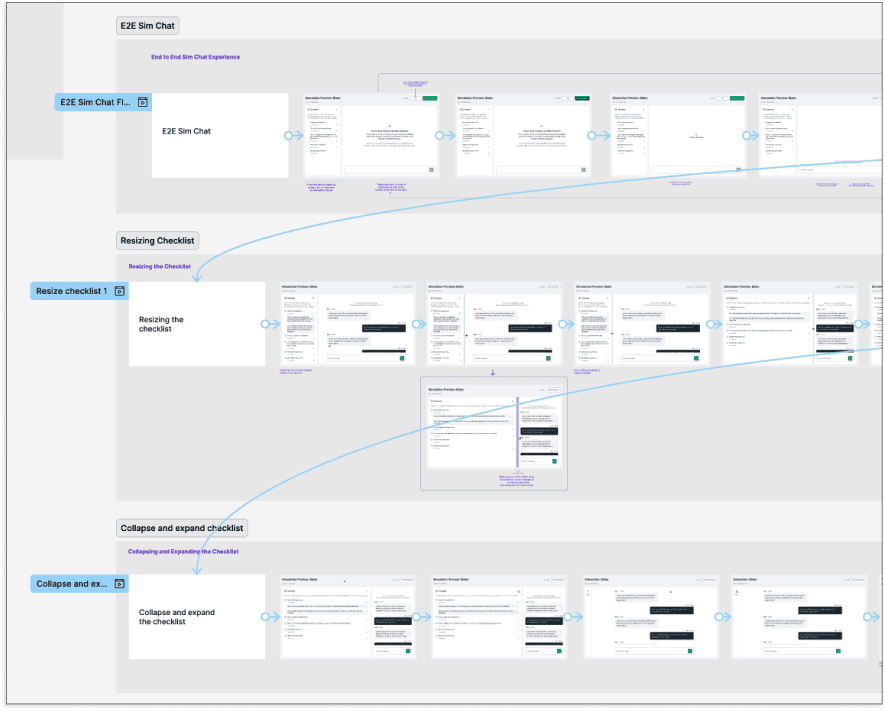
Neatly-organized Figma files with play-able prototypes
The engineering team really appreciated my work. 😊
"As a frontend engineer I absolutely loved your designs and the way Figma is structured, it really made my job easier."
— Matias Sallent, Senior Software Engineer
"Your work on UX / UI has always been impressive, and your thoroughness when it comes to describing every scenario has helped us a lot."
— Lucero Amaolo, Senior Frontend Engineer
I transformed a fractured demo into a seamless, fully fleshed out product ready for launch with ReflexAI's most critical partners.
Disjointed communications and interactions between teachers and students were smoothed over to be timely and consistent.
Careful attention to data visualization and flexible data filtering capabilities empowered teachers to more deeply understand student success rates and quickly pinpoint concepts or students in need of further attention.