Google Area120
Accelerating 0 to 1 with cross-collaboration
Challenge
Embedded across multiple early-stage product teams within Google's in-house incubator, I partnered directly with founders, product managers, researchers, and engineers to take nascent ideas from ambiguous problem space to validated, fundable products.
Teams struggled to graduate because they couldn't articulate how their ideas would move the needle on real business and user outcomes.
Solution
I closed the gap by working with cross-functional partners to prioritize and de-risk product bets, giving founding teams a defensible point of view.
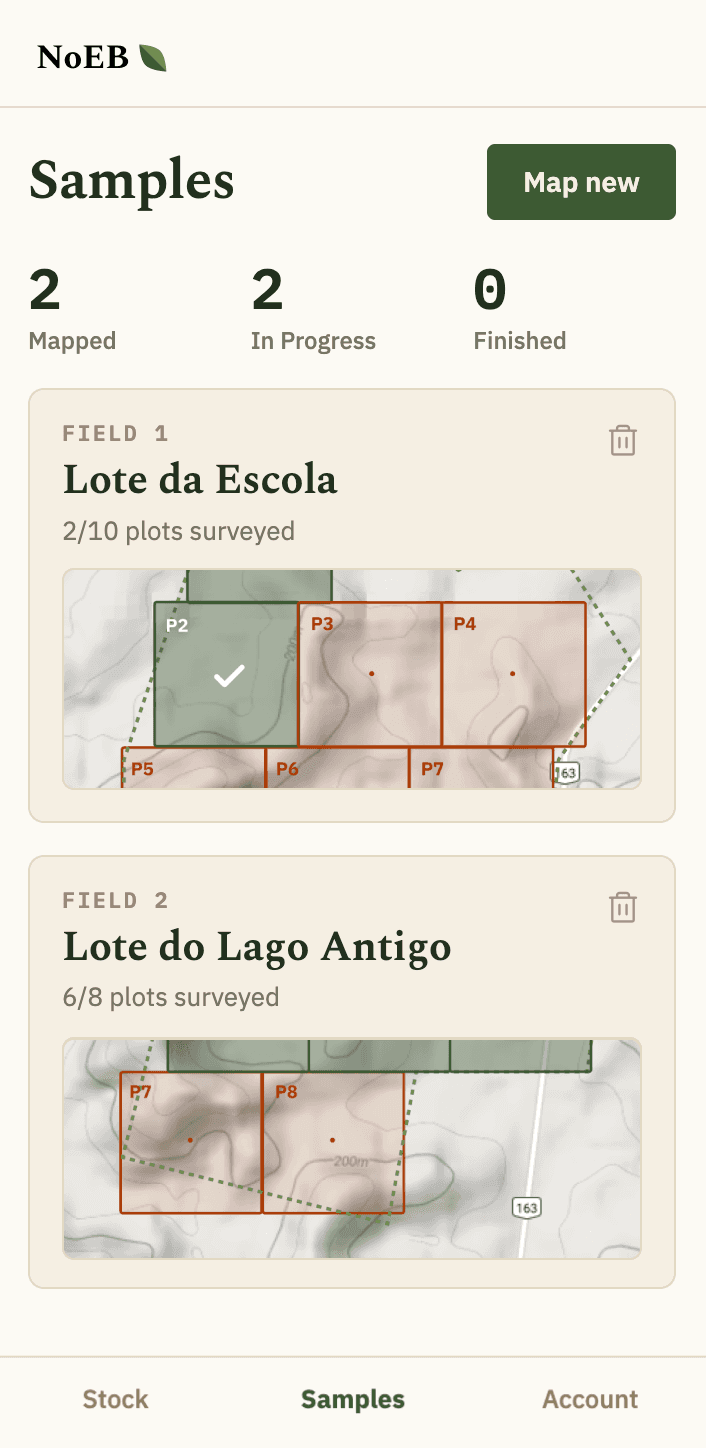
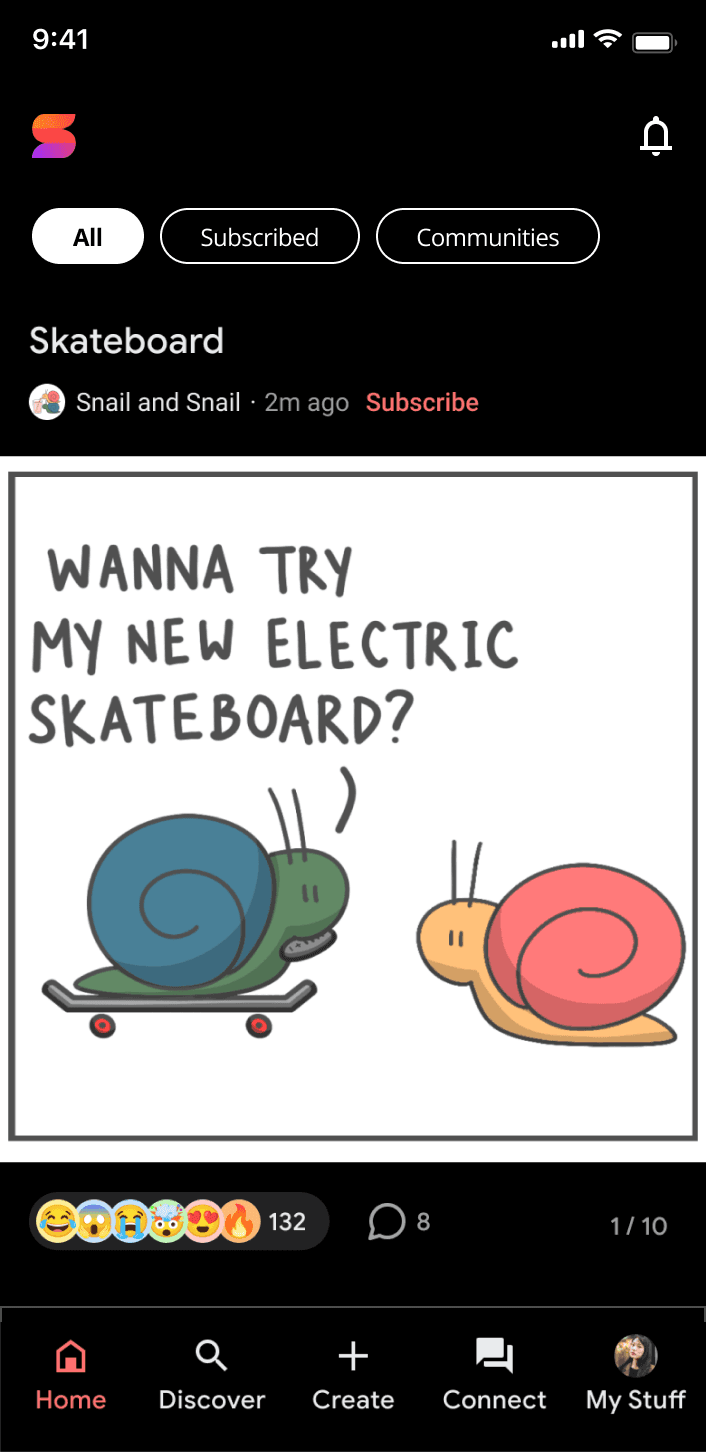
I supported five concurrent ventures across distinct domains — including an AI-powered video planning tool, a device safety platform, an EV trip-planning app, a carbon measurement product, and a web comic platform.







Outcome
Together we as teams experienced increased cross-functional alignment and innovation, improved confidence in decision-making, and developed effective frameworks for roadmap prioritization. As a result, the overall graduation rate increased by 160%.
ReflexAI
Bringing AI crisis response training to life
Next project
Hello!

Hello!
Hello!
Google Area120
Accelerating 0 to 1 with cross-collaboration
Challenge
Embedded across multiple early-stage product teams within Google's in-house incubator, I partnered directly with founders, product managers, researchers, and engineers to take nascent ideas from ambiguous problem space to validated, fundable products.
Teams struggled to graduate because they couldn't articulate how their ideas would move the needle on real business and user outcomes.
Solution
I closed the gap by working with cross-functional partners to prioritize and de-risk product bets, giving founding teams a defensible point of view.
I supported five concurrent ventures across distinct domains — including an AI-powered video planning tool, a device safety platform, an EV trip-planning app, a carbon measurement product, and a web comic platform.
Outcome
Together we as teams experienced increased cross-functional alignment and innovation, improved confidence in decision-making, and developed effective frameworks for roadmap prioritization. As a result, the overall graduation rate increased by 160%.
ReflexAI
Bringing AI crisis response training to life
Next project
Google Area120
Accelerating 0 to 1 with cross-collaboration
Challenge
Embedded across multiple early-stage product teams within Google's in-house incubator, I partnered directly with founders, product managers, researchers, and engineers to take nascent ideas from ambiguous problem space to validated, fundable products.
Teams struggled to graduate because they couldn't articulate how their ideas would move the needle on real business and user outcomes.
Solution
I closed the gap by working with cross-functional partners to prioritize and de-risk product bets, giving founding teams a defensible point of view.
I supported five concurrent ventures across distinct domains — including an AI-powered video planning tool, a device safety platform, an EV trip-planning app, a carbon measurement product, and a web comic platform.
Outcome
Together we as teams experienced increased cross-functional alignment and innovation, improved confidence in decision-making, and developed effective frameworks for roadmap prioritization. As a result, the overall graduation rate increased by 160%.
ReflexAI
Bringing AI crisis response training to life
Next project